

 by
by 
Nepal's real estate market presents unique opportunities for both domestic and international investors. Whether you're considering how to buy house in nepal for personal residence or exploring property investment in nepal for financial growth, understanding the local market dynamics is essential. The process might seem complex at first, but with proper guidance, you can navigate Nepal's property landscape successfully.
The Nepalese property market has evolved significantly in recent years, offering everything from traditional homes in historic neighborhoods to modern apartments in developing urban centers. For professionals and business users, understanding the legal framework, financing options, and market trends is crucial before making any investment decision. This comprehensive guide will walk you through everything you need to know about buying property in nepal, from initial research to final ownership transfer.
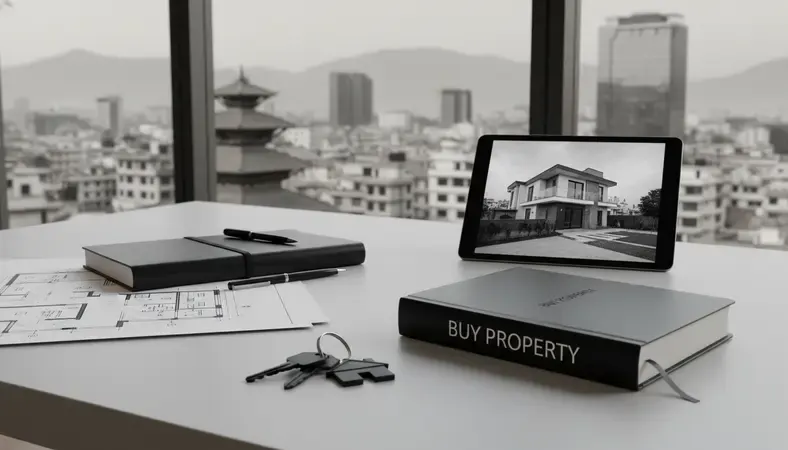
Understanding Nepal's Property Market Landscape
Nepal's real estate sector operates under a unique legal and economic framework that differs significantly from other South Asian markets. The country's property laws, influenced by both traditional practices and modern regulations, create specific opportunities and challenges for buyers.
Legal Framework for Property Ownership
The Nepalese constitution and various property-related acts govern real estate transactions. Foreign nationals face specific restrictions when it comes to land ownership, though apartment ownership in multi-story buildings follows different rules. The Land Act of 2021 and the Foreign Investment and Technology Transfer Act provide the primary legal foundation for property transactions.
Property rights in Nepal are generally secure once properly registered, but the registration process requires careful attention to documentation and legal compliance. The Department of Land Revenue and Settlement oversees most property-related matters, working in conjunction with local land revenue offices.
Market Segments and Property Types
The Nepalese property market encompasses several distinct segments:
- Residential Properties: Single-family homes, apartments, and condominiums
- Commercial Real Estate: Office buildings, retail spaces, and mixed-use developments
- Industrial Properties: Manufacturing facilities and warehouse spaces
- Agricultural Land: Farmland and rural properties with development potential
Each segment operates under different regulations and offers varying investment potential. Residential properties, particularly apartment for sale in nepal in urban areas, have shown consistent demand growth over the past decade.
Key Insight: Nepal's property market is experiencing a shift toward apartment living in major cities, driven by urbanization and changing lifestyle preferences.
Geographic Hotspots for Property Investment
Kathmandu Valley remains the primary focus for most property buyers, encompassing Kathmandu, Lalitpur, and Bhaktapur districts. These areas offer the best infrastructure, connectivity, and appreciation potential. However, emerging markets in Pokhara, Chitwan, and other developing urban centers are gaining attention from investors seeking higher returns.
The government's infrastructure development initiatives, including road expansion and airport construction, are creating new investment opportunities in previously underdeveloped regions. Understanding these development patterns is crucial for making informed investment decisions.
How Property Acquisition Works in Nepal
The process of buying property in nepal follows a structured approach that requires careful planning and execution. Understanding each phase helps buyers avoid common pitfalls and ensures smooth transactions.
Initial Research and Property Selection
Successful property acquisition begins with thorough market research. Buyers should analyze price trends, neighborhood development plans, and infrastructure projects that might affect property values. Online platforms, local real estate agents, and property exhibitions provide valuable market insights.
When evaluating properties, consider factors beyond immediate price:
- Location Analysis: Proximity to schools, hospitals, and commercial centers
- Infrastructure Quality: Road access, utilities, and public transportation
- Legal Status: Clear title, proper permits, and compliance with zoning regulations
- Future Development: Planned infrastructure projects and neighborhood growth potential
Documentation and Legal Verification
Property verification represents the most critical phase of the buying process. Buyers must verify the seller's ownership rights, check for any legal disputes, and ensure all necessary permits are in place.
Essential documents include:
- Land Ownership Certificate (Lalpurja): Primary proof of ownership
- Tax Payment Receipts: Evidence of up-to-date property taxes
- Building Permits: For constructed properties
- NOC Certificates: Various clearances from relevant authorities
Pro Tip: Always engage a qualified lawyer specializing in property law to conduct thorough due diligence. This investment in legal expertise can prevent costly mistakes and legal complications.
Financing Options and Payment Structures
Most property purchases in Nepal involve a combination of cash payments and bank financing. Commercial banks offer home loans with varying terms, typically requiring 20-30% down payment for residential properties.
Financing Comparison for Property Purchase
| Financing Type | Down Payment | Interest Rate Range | Maximum Tenure |
|---|---|---|---|
| Bank Home Loan | 20-30% | 8-12% annually | 20-25 years |
| Developer Financing | 10-20% | 10-15% annually | 5-10 years |
| Cash Purchase | 100% | N/A | Immediate |
Interest rates vary based on the borrower's creditworthiness, property type, and loan amount. Some developers offer in-house financing options, though these typically come with higher interest rates but more flexible approval criteria.
Registration and Transfer Process
Once financing is arranged and all documentation is verified, the formal transfer process begins. This involves several steps coordinated between the buyer, seller, and relevant government offices.
The registration process typically takes 15-30 days and includes property valuation by government assessors, payment of registration fees and taxes, and final title transfer. Registration fees generally range from 1-2% of the property value, plus applicable taxes.
Key Components of Successful Property Investment
Understanding the fundamental elements that contribute to successful property investment in Nepal helps buyers make informed decisions and maximize their returns.
Market Timing and Economic Factors
Nepal's property market experiences cycles influenced by economic conditions, political stability, and monsoon patterns. The best buying opportunities often emerge during economic uncertainty when prices soften temporarily.
Economic indicators to monitor include:
- GDP Growth Rates: Strong economic growth typically supports property demand
- Remittance Flows: Overseas worker remittances significantly impact property purchases
- Interest Rate Trends: Lower rates increase buying power and property demand
- Government Policy Changes: New regulations can create opportunities or restrictions
Location Strategy and Neighborhood Analysis
Location remains the most important factor in property investment success. Prime locations in established neighborhoods typically offer better liquidity and steady appreciation, while emerging areas may provide higher growth potential with increased risk.
Successful location analysis involves:
- Infrastructure Assessment: Current and planned transportation, utilities, and services
- Demographic Trends: Population growth, income levels, and lifestyle changes
- Commercial Development: Business districts, shopping centers, and employment hubs
- Educational Facilities: Schools and colleges that attract families
Why It Matters: Properties near quality educational institutions typically maintain strong demand and better resale values, as families prioritize children's education when choosing homes.
Property Type Selection
Different property types serve different investment objectives. Understanding the characteristics of each helps align purchases with investment goals.
Residential properties offer steady rental income and long-term appreciation, making them suitable for conservative investors. Commercial properties typically provide higher rental yields but require more active management and market expertise.
New developments offer modern amenities and warranties but may lack established neighborhood character. Older properties in prime locations might need renovation but often provide better value and established rental markets.

Benefits and Strategic Advantages
Investing in Nepal's property market offers several unique advantages that make it attractive for both domestic and international investors seeking portfolio diversification.
Economic Benefits and Returns
Property investment in nepal has historically provided inflation protection and steady returns. Real estate typically appreciates at rates exceeding inflation, helping preserve and grow wealth over time.
Key economic benefits include:
- Capital Appreciation: Property values in prime locations have shown consistent growth
- Rental Income: Steady cash flow from residential and commercial properties
- Tax Advantages: Various deductions available for property investors
- Inflation Hedge: Real estate values typically rise with inflation
Portfolio Diversification Opportunities
Nepal's property market operates somewhat independently from global financial markets, providing geographic and asset class diversification for investors. This independence can help reduce overall portfolio volatility.
The market's emerging nature means it's less correlated with developed markets, potentially offering uncorrelated returns that enhance overall portfolio performance. Additionally, the growing middle class and urbanization trends provide fundamental demand drivers.
Lifestyle and Personal Benefits
Beyond financial returns, property ownership in Nepal offers lifestyle benefits. The country's natural beauty, cultural richness, and growing expatriate community make it attractive for personal use properties.
For business professionals, owning property in Nepal can provide:
- Business Presence: Physical presence for business operations
- Retirement Planning: Future residence in a low-cost, high-quality environment
- Family Heritage: Property that can be passed to future generations
- Personal Sanctuary: Retreat location in a peaceful, scenic environment
Key Takeaway: Property ownership in Nepal combines financial investment with lifestyle benefits, offering both monetary returns and personal satisfaction from owning real estate in one of the world's most beautiful countries.
Market Growth Potential
Nepal's property market benefits from several long-term growth drivers that suggest continued appreciation potential. The country's young population, increasing urbanization, and growing middle class create sustained demand for housing.
Infrastructure development projects, including the expansion of Tribhuvan International Airport and new highway construction, are improving connectivity and opening new areas for development. These improvements typically lead to property value increases in affected regions.
Common Misconceptions and Market Realities
Many potential property buyers in Nepal operate under misconceptions that can lead to poor investment decisions or missed opportunities. Understanding these myths versus reality helps buyers make more informed choices.
Misconception: Foreign Ownership is Impossible
One of the most persistent myths is that foreigners cannot own property in Nepal. While restrictions exist for land ownership, foreign nationals can own apartments in buildings above certain heights, and various legal structures allow for effective property control.
The reality is more nuanced:
- Apartment Ownership: Foreigners can own apartments in buildings over 5 stories in designated urban areas
- Company Formation: Establishing a Nepalese company with local partners enables property ownership
- Long-term Leases: 99-year lease agreements provide near-ownership rights
- Investment Vehicles: Various legal structures facilitate foreign property investment
Misconception: The Market Lacks Transparency
Some buyers believe Nepal's property market lacks transparency and reliable information. While the market is developing, significant improvements in information availability and transaction transparency have occurred.
Modern developments include:
- Online Property Platforms: Digital marketplaces providing comprehensive property information
- Professional Services: Growing number of qualified real estate agents and legal professionals
- Government Digitization: Electronic property records and online registration systems
- International Standards: Adoption of international best practices by leading developers
Misconception: Financing is Unavailable
Another common belief is that property financing is difficult or unavailable in Nepal. While lending standards are strict, numerous financing options exist for qualified buyers.
Available financing includes:
- Commercial Bank Loans: Traditional home loans with competitive rates
- Development Bank Financing: Specialized lending for property purchases
- Cooperative Financing: Community-based lending organizations
- Developer Financing: In-house financing programs from major developers
Expert Tip: Working with experienced local professionals who understand both the legal requirements and practical aspects of property transactions significantly increases the likelihood of successful completion.
Misconception: Property Appreciation is Minimal
Some investors assume that property values in Nepal appreciate slowly compared to other markets. Historical data shows that prime properties in good locations have delivered solid returns over time.
Factors supporting appreciation include:
- Limited Prime Land: Scarcity of developable land in desirable locations
- Growing Demand: Increasing population and urbanization
- Infrastructure Investment: Government and private sector infrastructure development
- Economic Growth: Nepal's steady economic expansion supporting property demand

Best Practices for Property Buyers
Successful property acquisition in Nepal requires following established best practices that minimize risk and maximize investment potential. These guidelines help buyers navigate the market effectively.
Due Diligence Framework
Comprehensive due diligence forms the foundation of successful property investment. This process should begin early and continue throughout the transaction.
Essential due diligence steps include:
- Title Verification: Confirming clear, marketable title with no liens or disputes
- Legal Compliance: Ensuring all permits and approvals are current and valid
- Physical Inspection: Professional assessment of property condition and systems
- Market Analysis: Comparative pricing and neighborhood trend analysis
- Financial Verification: Confirming all taxes and fees are current
Professional Team Assembly
Building a qualified professional team is crucial for successful property transactions. Each team member brings specialized expertise that protects the buyer's interests.
Key team members include:
- Property Lawyer: Legal expertise for contract review and title verification
- Real Estate Agent: Market knowledge and transaction coordination
- Surveyor: Property boundary and condition assessment
- Accountant: Tax planning and financial structure optimization
- Engineer/Architect: Technical evaluation for older or complex properties
Negotiation Strategies
Effective negotiation can significantly impact both purchase price and transaction terms. Understanding local market customs and seller motivations improves negotiation outcomes.
Successful negotiation approaches include:
- Market Research: Knowledge of comparable sales and current market conditions
- Seller Analysis: Understanding the seller's timeline and motivations
- Flexible Terms: Offering favorable terms in exchange for price concessions
- Professional Representation: Using experienced agents familiar with local practices
Pro Tip: In Nepal's relationship-oriented culture, building rapport with sellers and their representatives often leads to better negotiation outcomes than purely transactional approaches.
Risk Management and Insurance
Property investment carries inherent risks that can be mitigated through proper planning and insurance coverage. Understanding and preparing for these risks protects investment value.
Common risks and mitigation strategies:
- Natural Disasters: Earthquake and flood insurance for applicable properties
- Legal Disputes: Title insurance and thorough legal verification
- Market Fluctuations: Diversification across property types and locations
- Currency Risk: For foreign investors, hedging strategies for exchange rate protection
Long-term Investment Planning
Successful property investment requires long-term thinking and strategic planning. Consider how the property fits into overall investment objectives and exit strategies.
Planning considerations include:
- Holding Period: Optimal ownership duration based on market cycles and personal goals
- Improvement Strategy: Value-add opportunities through renovation or development
- Exit Planning: Future sale or transfer strategies, including tax implications
- Portfolio Integration: How the property complements other investments
Frequently Asked Questions About Buying Property in Nepal
Can Non-Resident Nepalis Buy Property in Nepal?
Non-Resident Nepalis (NRNs) enjoy more favorable property ownership rights compared to other foreign nationals. NRNs can purchase land up to one ropani (approximately 5,476 square feet) for residential purposes in urban areas and up to 25 ropanis for industrial purposes.
The process requires obtaining an NRN card and following specific procedures for property registration. NRNs must also comply with foreign exchange regulations when transferring funds for property purchases. Many NRNs successfully invest in both residential and commercial properties as part of their long-term connection to Nepal.
What Are the Tax Implications of Property Ownership?
Property ownership in Nepal involves several tax obligations that buyers should understand before purchasing. Annual property taxes are relatively low, typically ranging from 0.1% to 0.5% of assessed property value, depending on location and property type.
Capital gains tax applies to property sales, with rates varying based on holding period. Properties held for longer periods generally face lower tax rates, encouraging long-term investment. Additionally, registration fees and stamp duties apply during the purchase process, typically totaling 2-3% of property value.
How Long Does the Property Buying Process Take?
The timeline for buying property in nepal varies significantly based on property type, financing requirements, and documentation completeness. Cash purchases of ready properties can complete within 30-45 days, while financed purchases typically require 60-90 days.
New construction purchases may involve longer timelines, especially if the property is still under development. Complex transactions involving commercial properties or foreign buyers may require additional time for regulatory approvals and documentation verification.
What Financing Options Are Available for Property Buyers?
Nepal's banking sector offers various financing options for property buyers, with commercial banks providing the most common home loan products. Typical loan terms include 20-30% down payment requirements, interest rates ranging from 8-12% annually, and repayment periods up to 20-25 years.
Some developers offer in-house financing programs with more flexible approval criteria but typically higher interest rates. Cooperative societies and development banks also provide property financing, often with specialized programs for specific buyer segments or property types.
Are There Restrictions on Property Types Foreigners Can Buy?
Foreign nationals face specific restrictions on property ownership in Nepal, though opportunities exist within the legal framework. Foreigners cannot directly own land but can own apartments in buildings exceeding five stories in designated urban areas.
Alternative structures include establishing Nepalese companies with local partners, entering long-term lease agreements, or using other legal vehicles that provide effective property control while complying with ownership restrictions. Many foreign investors successfully navigate these requirements with proper legal guidance.
What Should Buyers Know About Property Management?
Property management becomes important for investors who don't reside near their properties or lack time for direct management. Professional property management services are available in major cities, offering tenant screening, rent collection, maintenance coordination, and regular property inspections.
For commercial properties or multiple residential units, professional management often proves cost-effective and reduces investor workload. Management fees typically range from 5-10% of rental income, depending on services provided and property complexity.

The Bottom Line
Buying property in nepal offers compelling opportunities for both personal use and investment purposes, provided buyers understand the market dynamics and legal requirements. Success requires thorough research, professional guidance, and patience with the local processes. Get started with Mero Ghar Jaga to explore current property opportunities and connect with experienced professionals who can guide you through every step of the process. Ready to get started? Visit Mero Ghar Jaga to learn more.


Join The Discussion